

NANOTBTECH, H2020 program founded by European council
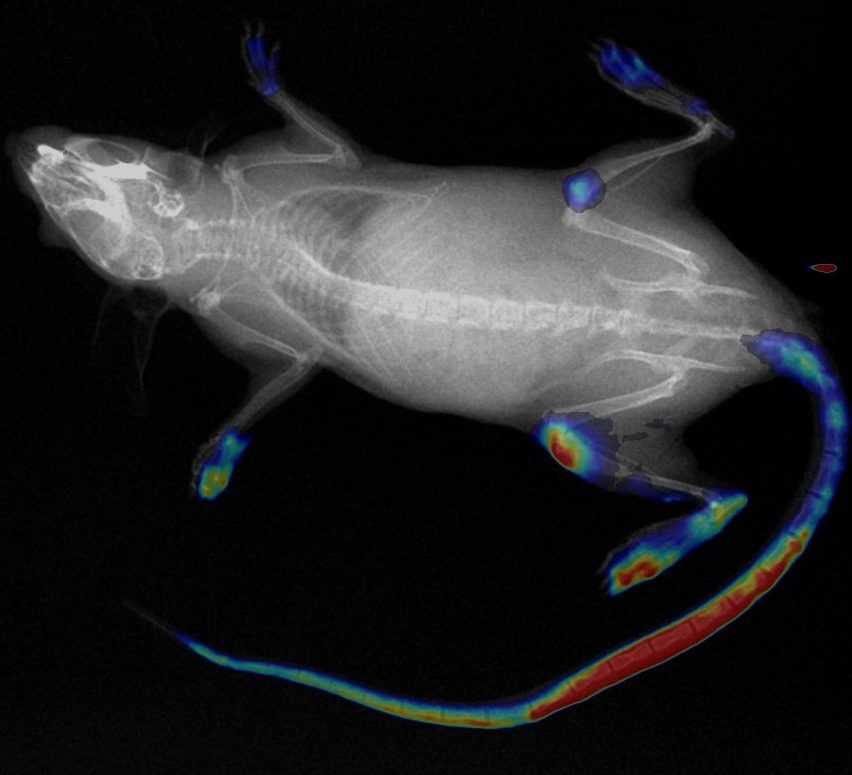
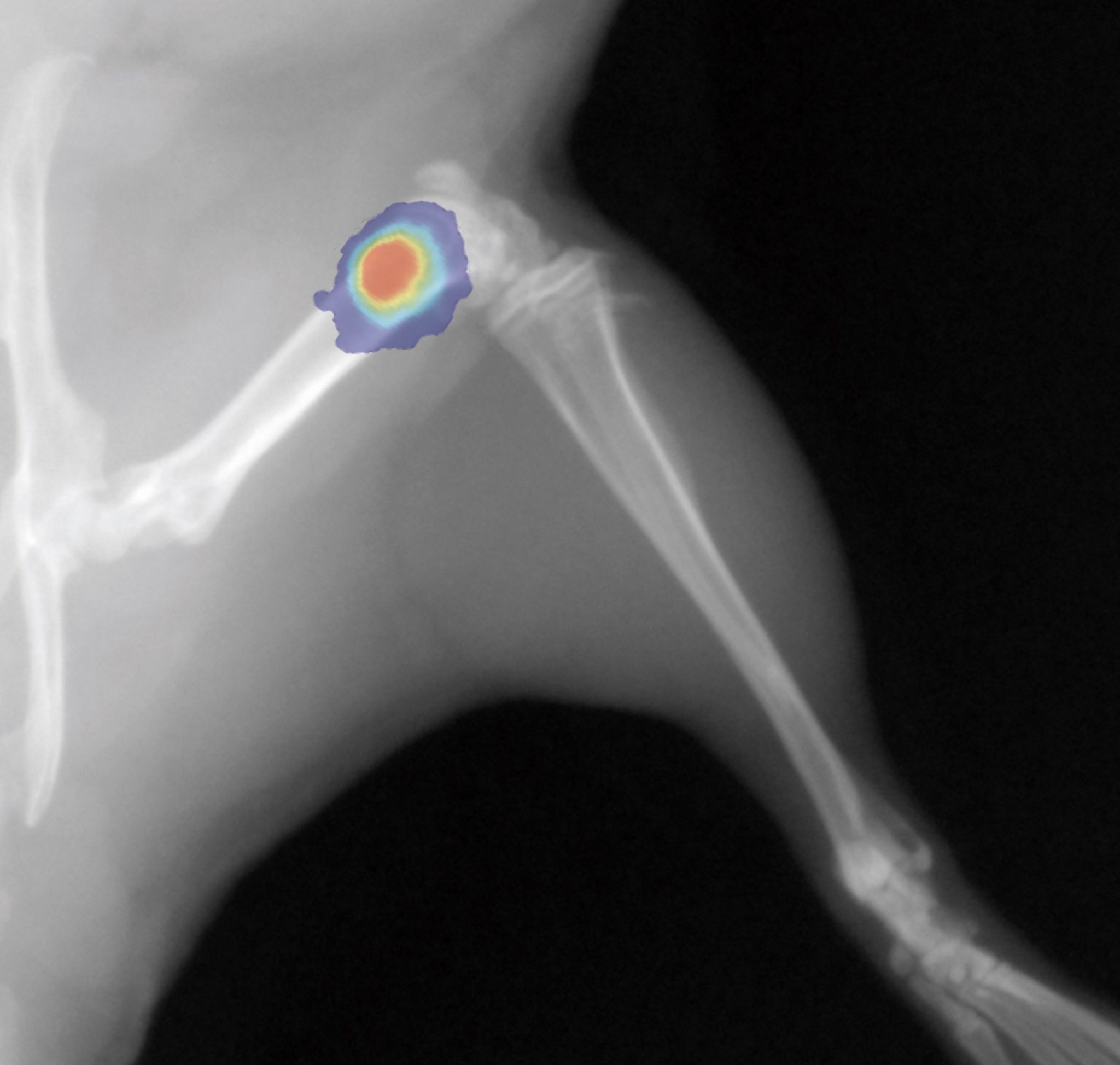
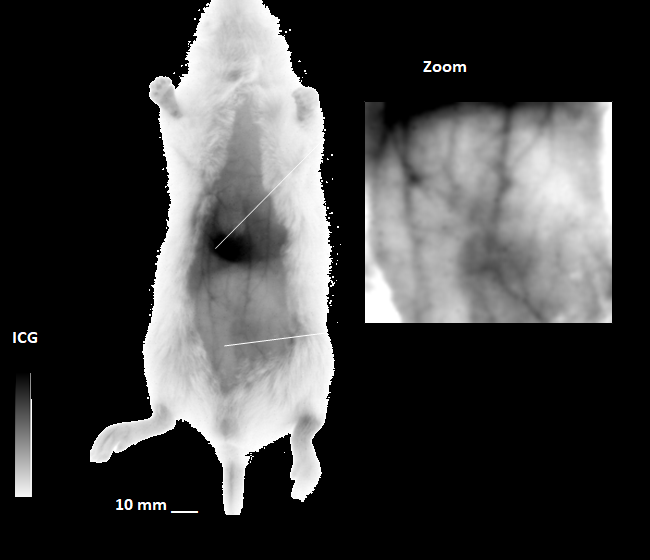
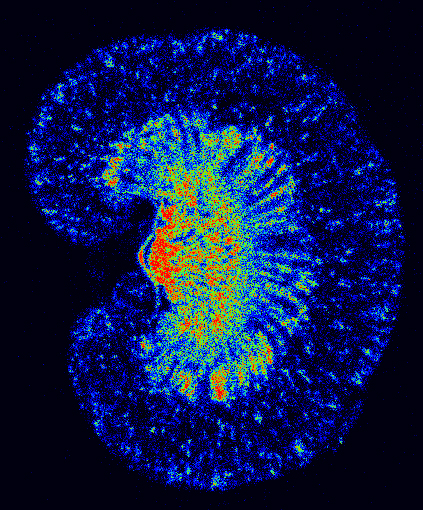
Novel and noninvasive way of measuring tissue temperature for oncology applications (micro-metastases) thanks to our unique SWIR imaging solution.
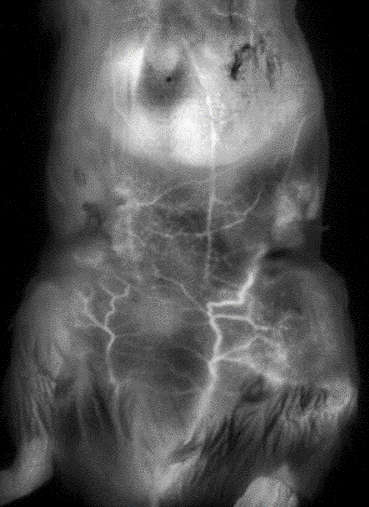
IN ACTIO, Project founded by Paris Region
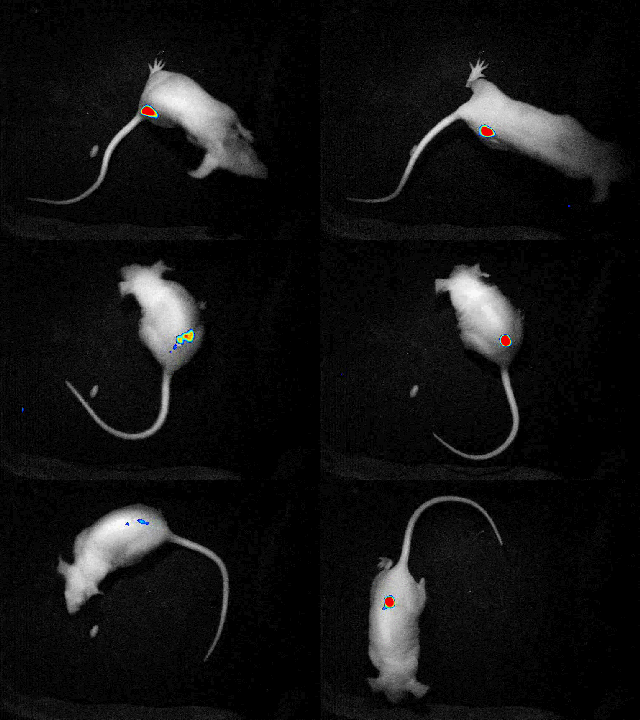
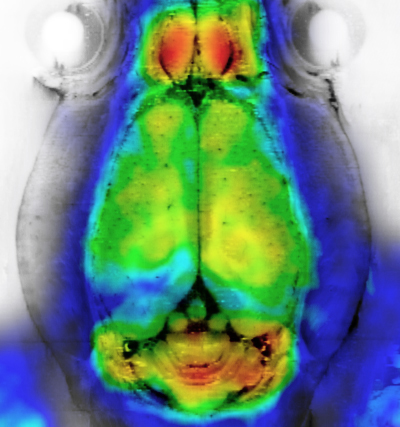
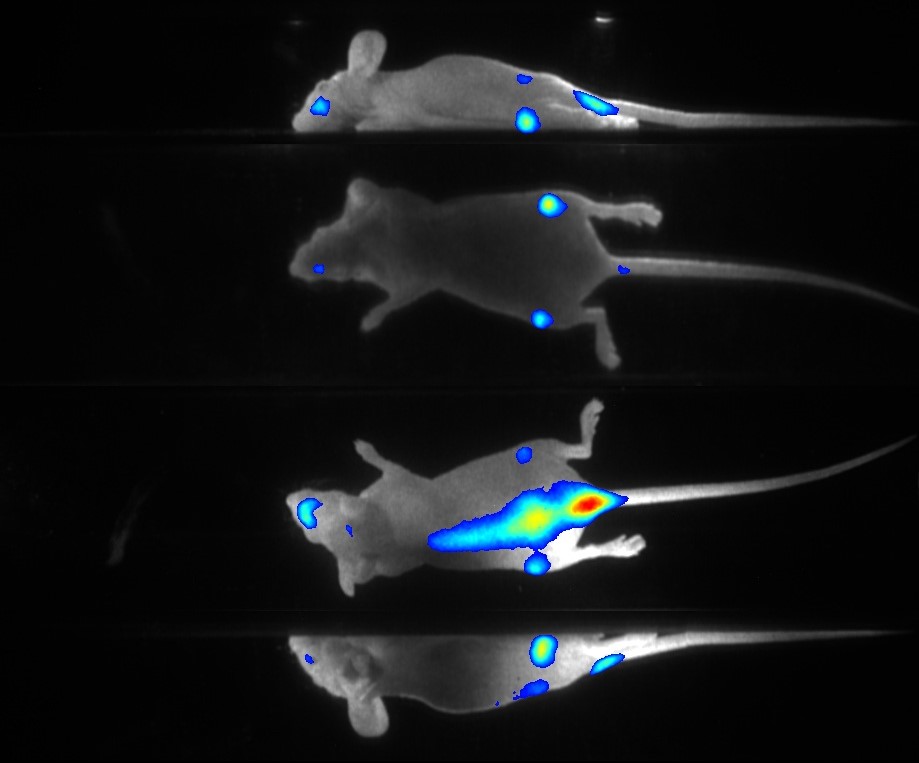
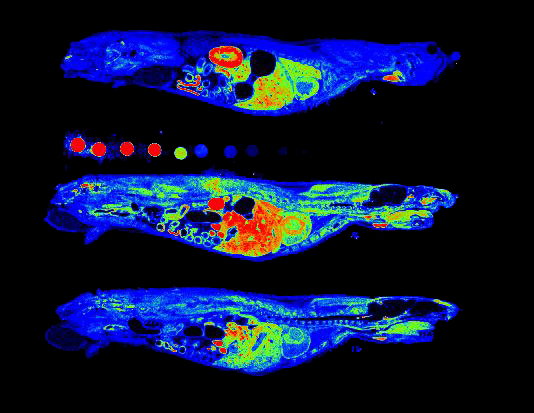
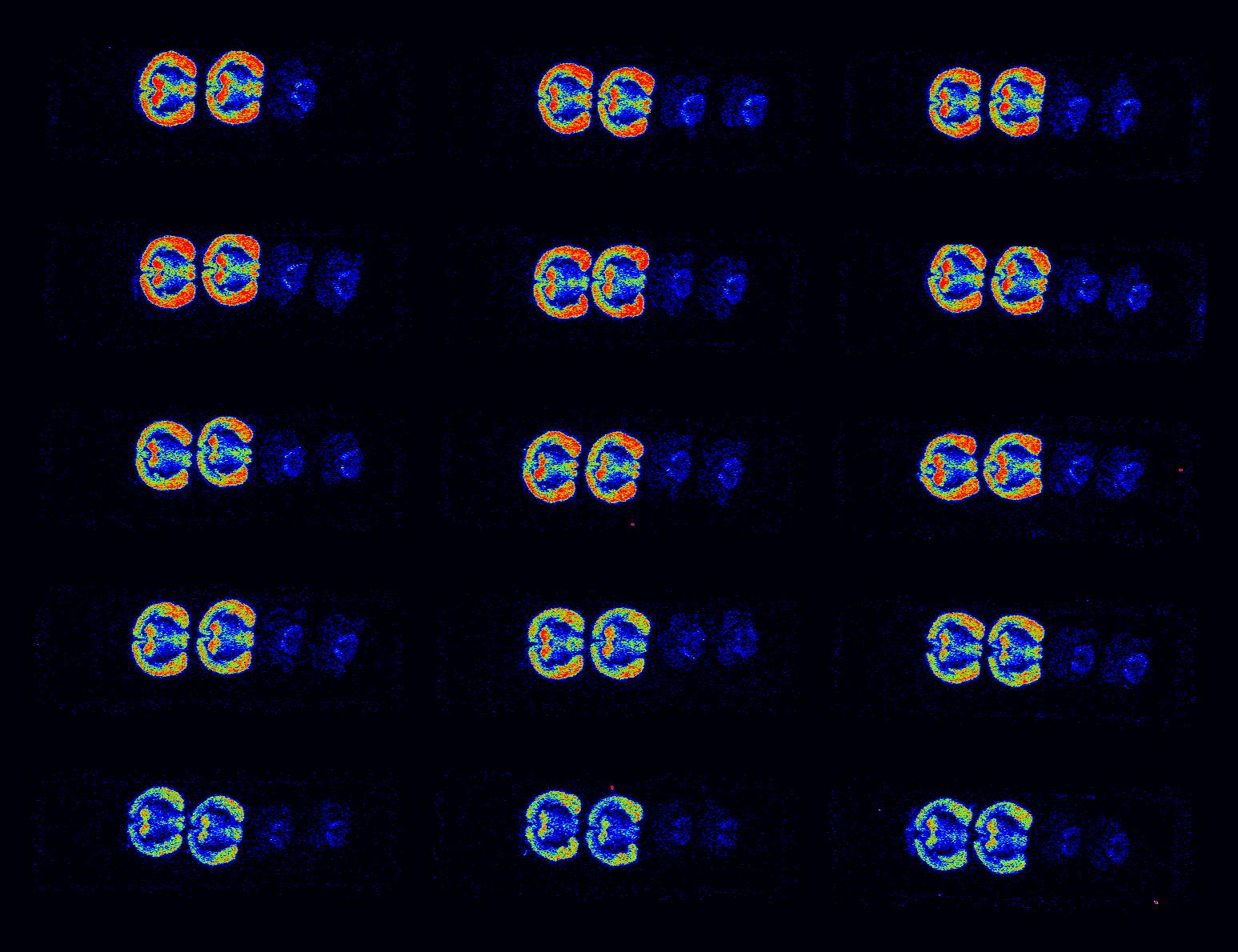
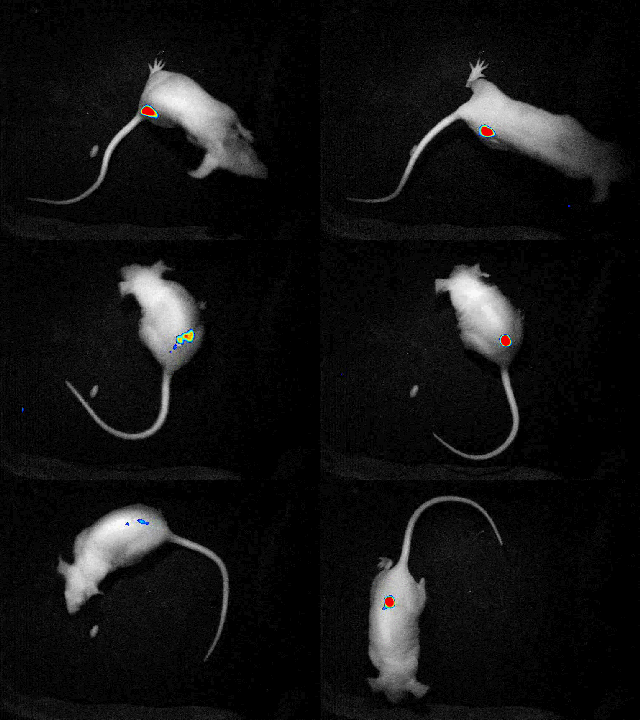
Detect and quantify multiple bioluminescence signals on freely moving mice simultaneously. Follow neuronal biosensor and understand the social networking impact on Alzheimer pathology.
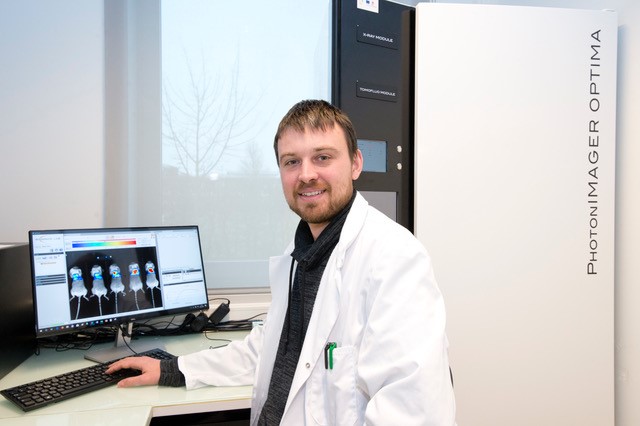
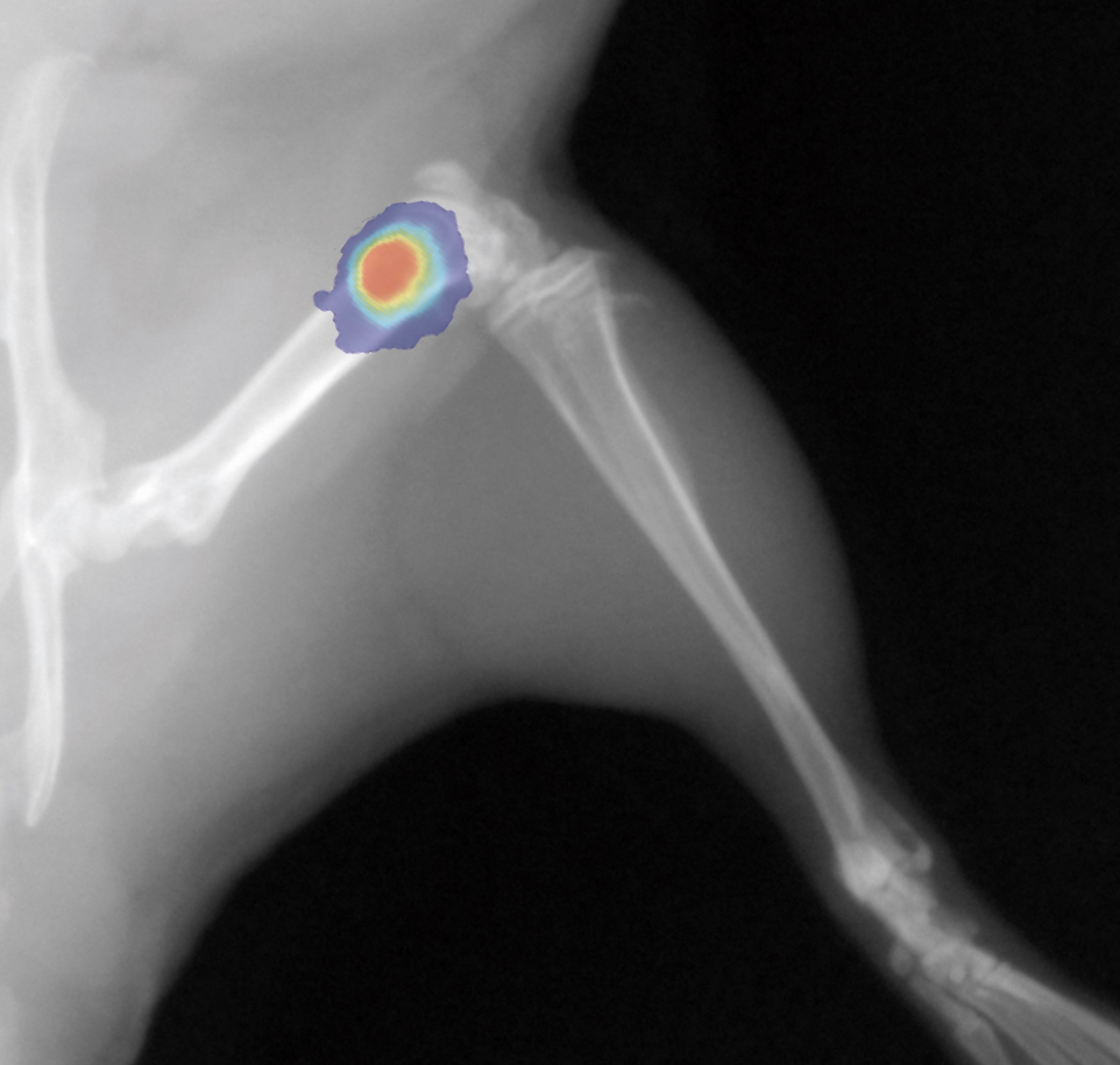
“The real-time acquisition of dynamic fluorescent signal curves from Biospace invivo imaging system, contribute to reconstruction visualized 3D tumor model, and provide intuitive and quantitative research methods, very helpful for research daily work”. The Institute of Automation, Chinese Academy of Sciences (CASIA), is one of the earliest national automation institutes in China, which was established in 1956.
Dr. Kun Wang, Associate Professor, CAS Key Laboratory of Molecular Imaging Institution of Automation Chinese Academy of Sciences, China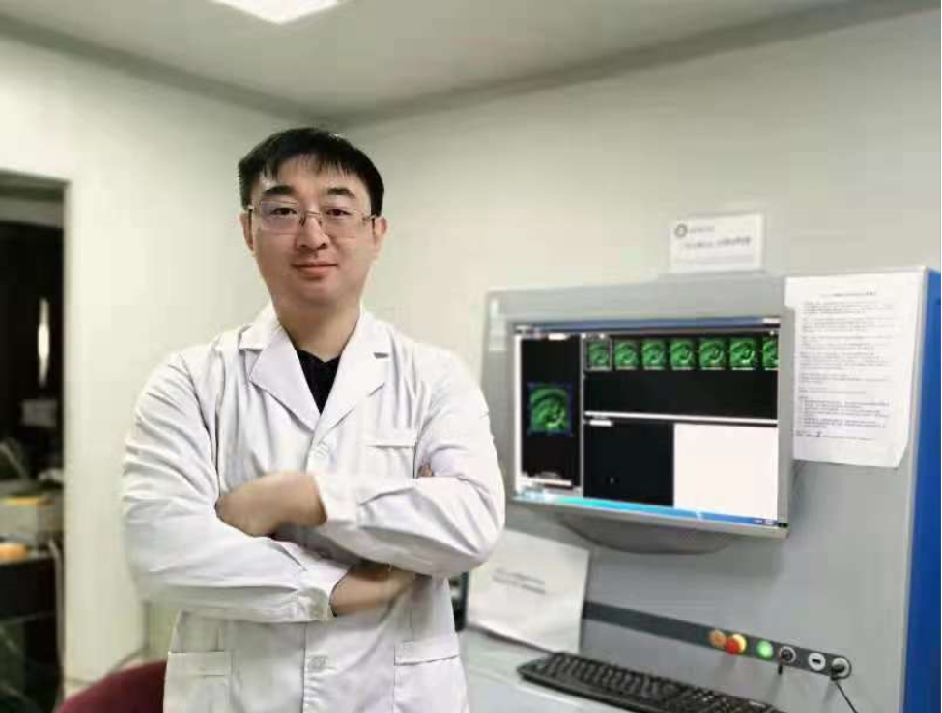
“Biospace Optima performs well in animal imaging, especially the high sensitivity and good signals”. The purpose of our institute is to train professional teachers and advanced researchers on Medical Physics, Biomedical Imaging, Radiobiology, Nuclear Medicine and Radiological Medical fields in clinical. Our department in addition to training professional personal is also specialized in research in the field of biomedical imaging and radiation sciences.
Dr Yi-Jang Lee Professor, Department of Biomedical Imaging and Radiological Sciences National Yang Ming University, Taiwan
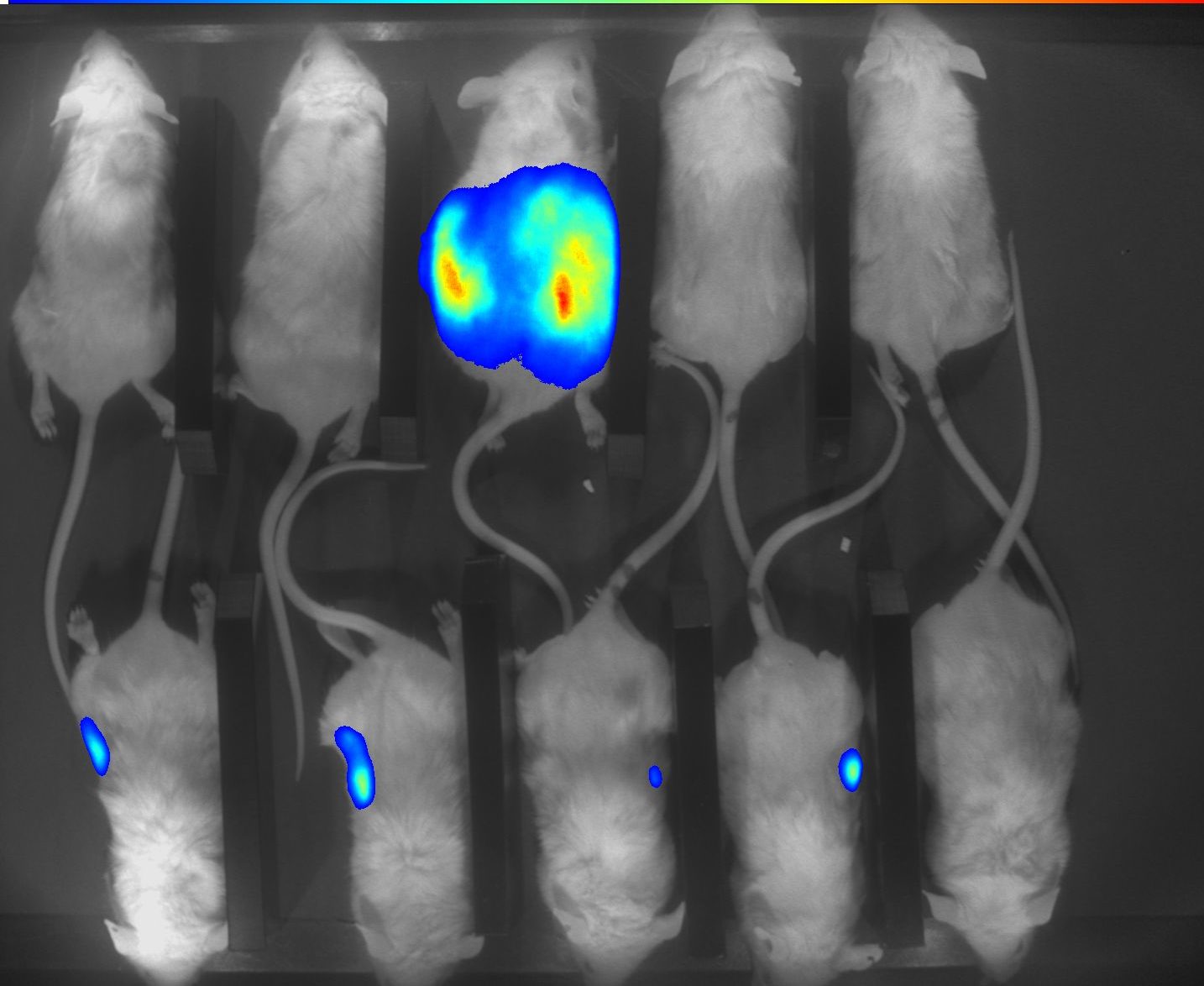
“The PhotonIMAGER Optima has been a real asset in our experimental workflow by giving us the tools to detect and quantify both bioluminescence and fluorescence in our cancer mouse models. The PhotonIMAGER Optima has aided us in our research to monitor tumours in real-time over prolonged periods with minimal impact on the well-being of the mice. This device allows us to image up to six mice simultaneously, providing high resolution images along with an intuitive and powerful software package for downstream data analysis. We also recently purchased the ‘in actio’ module to increase our capabilities and provide imaging on non-anesthetised animals. This has been instrumental in maximising the outputs from our experiments and in aiding us to meet the principles of the 3Rs in animal research (Replacement, Reduction and Refinement). The customer service and training offered by Biospace Lab has been exemplary and their technical services are integral to the pursuit of our research goals”
Dr Patrick Hardinge, Dr Lee Parry, Dr Katie Stott and Dr Adam Higgins, European Cancer Stem Cell Research Institute, School of Biosciences, Cardiff University, UK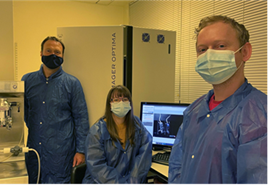
« CMMI, Center for Microscopy and Molecular Imaging, is a preclinical imaging platform equipped with many advanced equipments, such as PET, SPECT, CT, MRI, MSOT scanners for in vivo imaging. For optical imaging, the CMMI chose Biospace Lab at the end of the 2000s with the acquisition of the PhotonIMAGER RT. Biospace Lab has met our expectations by providing a system capable of performing BLI in real time, with very high sensitivity. Biospace Lab has also always provided quality technical and scientific support. Therefore, the CMMI has chosen to renew its confidence in Biospace Lab in 2018 with the acquisition of a new PhotonIMAGER Optima, which is even more efficient and modular. This device increased our imaging throughput by easily imaging 10 mice at a time, and provides high quality visible-NIR FLI. Adding new modules (MACROLENS, 4-views 3D and X-ray), enabled us to extend our imaging offer. In conclusion, Biospace Lab has been, and still is, an important partner in the development of our expertise in optical imaging. “
Dr. Lionel Larbanoix, laboratory manager of in vivo NiMI (Non-ionizing Molecular Imaging; laboratory head: Prof. Sophie Laurent), CMMI, Walloonia, Belgium.